Khushi Maity / Titan Company Limited / Bangaluru / 2021 batch

Ananya Khandelwal / Jaipur Rugs / Jaipur / 2021 batch

Mentoring Ananya through her graduation project at Jaipur Rugs was an engaging experience, as her work spanned an impressive breadth of craft, material experimentation, and narrative-driven design. Her project moved far beyond conventional textile development—embracing storytelling, technical rigor, and an intuitive sensitivity toward artisanship.
Ananya’s explorations ranged from conceptual hand-knotted rug designs inspired by tribal homes, rusted surfaces, river journeys, and architectural cues, to bold visual narratives developed with the Fire Rugs team. She demonstrated a deep understanding of loom constraints, color behavior, and material translation—skills refined through her constant engagement with the RMR and dyeing units. Her ability to bridge digital ideation with physical sampling showed a growing command over both conceptual and production realities.
Her field visits to weaver clusters offered her a grounded understanding of labor, time, and materiality, shaping her approach to design with greater empathy and responsibility. Parallel to rugs, she also ventured into textile-based wall art using tufting, embroidery, and unconventional materials such as copper wire and nylon thread—creating sculptural pieces rooted in layered metaphors.
Ananya complemented her craft-focused explorations with insights into interiors and spatial styling, positioning rugs not merely as floor coverings but as narrative extensions of a space. Her contributions to mood boards, visual decks, and sample presentations reflected a well-rounded design maturity.
As her guide, it was rewarding to see her develop a design language that is thoughtful, research-led, and deeply connected to process. Ananya’s project stands out for its clarity, sensitivity, and the breadth of inquiry she brought to contemporary rug design.
Vanisha Sunil Bhavsar / ADITYA BIRLA FASHION AND RETAIL LTD. / New Delhi / 2021 batch
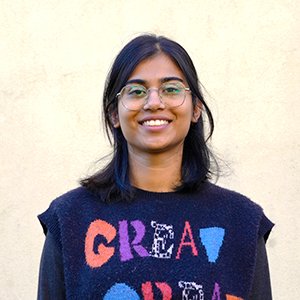
Mentoring Vanisha through her graduation project with W for Women under the Folksong label was a deeply rewarding process, as the project demanded both archival sensitivity and contemporary design clarity. Folksong’s commitment to India’s artisanal heritage set the tone for a project grounded in tradition yet responsive to modern seasonal narratives.
Vanisha worked with discipline and intent, beginning with an extensive study of the brand’s hand-block archive. Her documentation resulted in a 400-page catalogue—an achievement that not only organized the existing repository but also offered a strong foundation for concept building. This rigor allowed her to reinterpret traditional motifs with a renewed perspective while staying true to the handcrafted essence of Folksong.
Through a blend of research, motif reconstruction, and theme-based development, she created two capsule collections using only the archived blocks. Her sensitivity toward scale, rhythm, and print language became especially visible as she translated these designs into physical samples in collaboration with artisans in Bagru. Observing her navigate this craft-led process—from design tables to printing yards—reflected her maturity as a designer who values both creative direction and craft integrity.
The final garments brought together every stage of her journey: archival study, thematic exploration, print development, and hands-on craft collaboration. As her guide, I witnessed her transform a traditional block archive into thoughtful, contemporary visual stories—honoring heritage while designing confidently for a modern audience.
Cheluvi Rajesh Kadam / Nikasha / New Delhi / 2021 batch
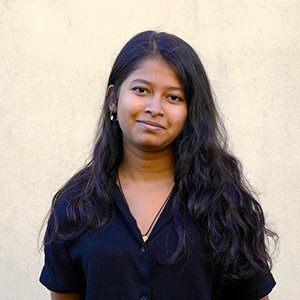
Mentoring Cheluvi Kadam through her graduation project offered me the opportunity to witness her evolve a clear, research-driven vision into two well-defined fashion collections. Her objective—designing a Resort Wear 2025 line alongside a Luxury Prêt festive range—required her to balance global sensibilities with cultural nuance, particularly while addressing the Saudi Arabian export market. Cheluvi approached this challenge with sincerity, discipline, and a growing command over design vocabulary.
Her process was rooted in a strong methodological framework: in-depth market and trend research, extensive textile and material exploration, and a thoughtful development of prints, patterns, and silhouettes. She actively engaged with both traditional and contemporary techniques—experimenting with weaving, surface texturing, embroidery variations, and custom print creation inspired by retro influences and Indian motifs. This iterative journey allowed her to build a cohesive visual language for both collections.
The final outcome reflects her ability to merge comfort with sophistication. The Resort Wear prêt line is breezy, fluid, and versatile—true to Nikasha’s signature colour palette—while the festive collection carries richer detailing, elevated craftsmanship, and silhouettes suited for special occasions. Across both, Cheluvi demonstrated a strong understanding of styling, market positioning, and presentation, culminating in a polished photoshoot and digital showcase.
As her guide, it was rewarding to see her translate research into thoughtful design decisions and articulate her work with growing confidence. Cheluvi’s project stands as a testament to her sensitivity, professionalism, and readiness to step into the industry with clarity and creative maturity.
Riya Bala / Trackon Export / Tamil Nadu / 2021 batch
 Modern Classic Home Textile for Fall season
Guiding Riya Bala through this project was an engagement with her evolving ability to interpret seasonality through textile expression. Across the two collections—Elegance of Autumn Forest and Veins of Autumn—she explored how mood, memory, and material can shape a coherent Autumn–Winter 2026 narrative. Throughout the process, I encouraged her to treat nature not as a motif but as an atmosphere—felt through woven depth, surface texture, and quiet embroidery. The outcome is a mature study in translating emotion into textile form.
Bedangshu Saloi / M&C Saatchi / New Delhi / 2021 batch

(M&C Saatchi Internship Project)
During his six-month internship at M&C Saatchi February, Bedangshu Saloi developed the complete visual identity and apparel graphics for GOATEE, a new premium streetwear label. Beginning with market research, he identified the rising demand for collared polos within youth fashion and successfully aligned this insight with the brand’s product direction.
He created original, concept-forward apparel graphics inspired by MS Dhoni, Novak Djokovic, LeBron James, and John Cena—each designed to reflect the athlete’s spirit while remaining fully copyright-safe. Parallel to the graphic work, Bedangshu built the brand’s identity system from the ground up, exploring client cues such as astrological symbolism and the “goat” motif. His iterative studies led to the final GOATEE logo and a custom uppercase wordmark derived from Lowan Old Style, which later evolved into a bespoke display typeface.
He further established a muted, natural palette inspired by Himalayan goat fur, a structured grid system, and a modular visual architecture to ensure consistency across brand applications. Alongside GOATEE, he also contributed to an icon system for Brookfield Properties and a 50+ slide investor deck for Skootr, strengthening his ability to handle multiple client demands within real industry timelines.
This project became a defining milestone in Bedangshu’s design journey—sharpening his skills in research-led branding, identity systems, and streetwear visual language with clarity, discipline, and professional confidence.
Arpita Chugh / Artizenery / Bangaluru / 2020 batch

As part of my mentorship at NID Assam, I had the opportunity to guide a student project that sought to rediscover Karnataka’s textile traditions through a contemporary design lens.
“Crafted in Karnataka” is a sensitive and deeply researched exploration of the state’s textile heritage—bringing together the narrative richness of Khana weaving, the precision of Kasuti embroidery, and the nuanced processes of traditional dyeing. The project does not merely document craft; it interprets it. Each motif, color, and stitch becomes an entry point into the cultural memory of Karnataka, allowing design to serve as both a bridge and a translation.
As the project guide, my role was to shape the student’s inquiry: encouraging historical investigation, pushing for cultural sensitivity, and ensuring the design interventions remained respectful to tradition while forward-looking in form. The student undertook extensive field research across craft clusters—engaging with weavers, embroiderers, and artisans whose lived experiences form the backbone of this work. Archival readings, interviews, and visual documentation were woven together to build a layered understanding of how craft functions as identity, livelihood, and legacy.
What makes this project compelling is its emphasis on the human side of craft:
the quiet resilience of women weavers, the intergenerational transfer of knowledge, and the enduring role of textile traditions as tools of economic empowerment. These narratives lend the work a depth that goes beyond surface aesthetics.
The final design explorations combine traditional techniques with contemporary sensibilities—aimed at audiences that appreciate heritage but seek modern relevance. Through pattern play, color reinterpretation, and thoughtful sampling, the project presents a refined set of design possibilities rooted in Karnataka’s artisanal language.
For me, the value of this project lies in its sincerity: it respects craft not as a trend, but as a living history. Guiding this work has been a reminder of how design can honor culture while opening new pathways for its continuation in the global context.