About
Dibyendu Nag is a fashion and textile designer, educator, and visual practitioner working across material, form, and systems of making. His practice spans print and textile design, fashion styling and apparel, visual and web design, and craft-led interdisciplinary projects—shaped by a long engagement with education, research, and cultural context.
Trained in design and rooted in textile thinking, his work moves fluidly between hand processes and contemporary applications. Whether working with fabric, the body, or digital space, the focus remains on structure, rhythm, and meaning rather than surface alone.
Alongside independent practice, he is deeply involved in teaching and mentorship, guiding students through design thinking, graduation projects, and research-based exploration.
History
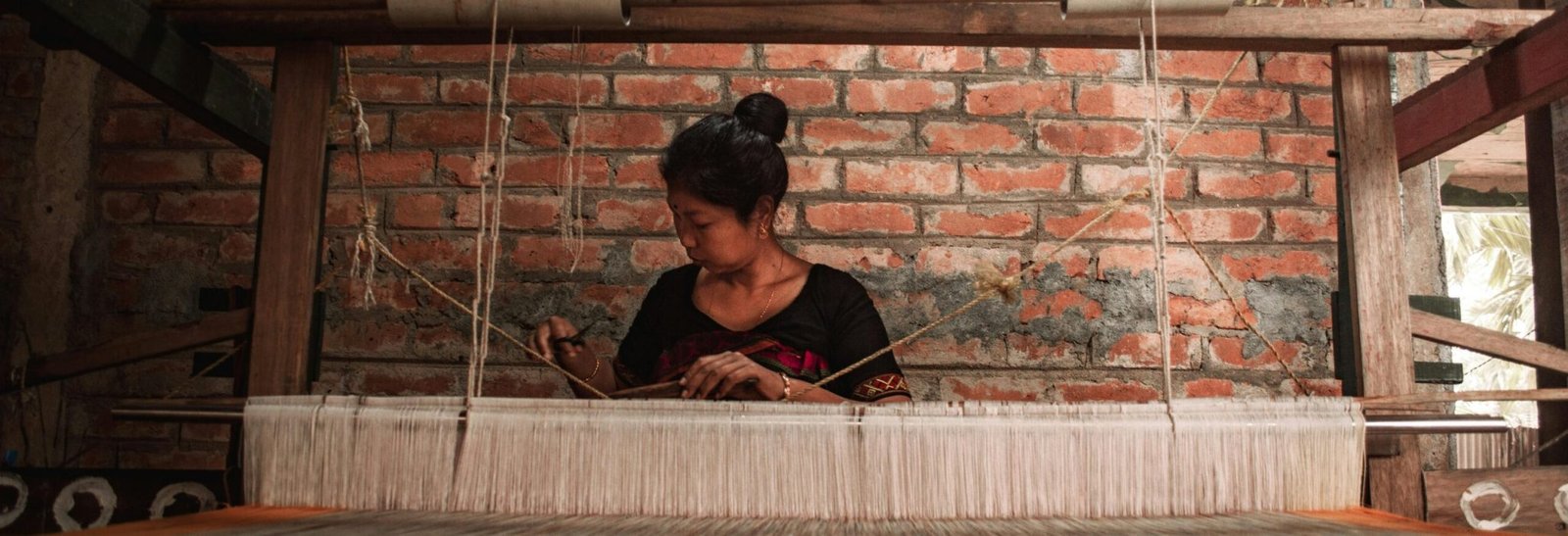
The practice has evolved through years of engagement with fashion education, institutional teaching, and collaborative work with artisans, students, and cultural organisations. Early work emerged from an interest in textiles as living systems—materials shaped by use, geography, and human interaction.
Over time, this expanded into fashion styling and apparel, where garments were treated not as products but as visual and spatial compositions. Parallel engagement with visual communication and web design grew from the same concerns: clarity, hierarchy, and restraint.
Teaching has remained central throughout this journey. Academic spaces, workshops, and mentoring environments have consistently informed the work—positioning design not only as output, but as inquiry, dialogue, and transmission of knowledge.
Philosophy
The practice is guided by restraint, intention, and respect for process.
Design is approached as a slow and considered act—one that values material intelligence, cultural continuity, and thoughtful structure over immediacy or excess. Each project begins with observation and research, allowing form to emerge through engagement rather than imposition.
Across disciplines, emphasis is placed on:
- Clarity over decoration
- System over spectacle
- Process over trend
Whether working with textiles, garments, or digital interfaces, the goal is to create spaces—physical or visual—that allow content, craft, and context to breathe.
Education and mentorship are integral to this philosophy. Design is seen not only as a professional practice, but as a shared language—one that grows stronger through teaching, learning, and collaboration.