Picture two photos of the same white shirt.
In the first one, the shirt is ironed, buttoned to the top, and worn with grey trousers and black shoes. In the second, the sleeves are rolled up unevenly, one side is tucked in, a handloom stole is thrown over the shoulder, and the model is sitting on the steps of an old house, looking away.
Same shirt. Two completely different people. Two different stories.
That, for me, is what fashion styling is.
Clothes don’t talk on their own
A garment on a hanger is just a garment. It has a colour, a fabric, a cut. But it doesn’t tell you who wears it, where they’re going, or what kind of day they’re having.
Styling is what gives it a voice. The way you pair it, the way you wear it, the place you put it in, the light, the pose, even what you leave out. Every one of these choices adds a line to the story.
How I begin with students
When I teach fashion styling, students often come in thinking it’s about “making the model look good.” Pick nice clothes, add some jewellery, done.
So I ask them a different question first: who is this person?
Not the model. The character. How old is she? Where does she live? Is she going to work, or running away from it? Is she confident or unsure? What did she have for breakfast?
It sounds silly at first. But once they answer these questions, the styling starts to make sense. Every choice now has a reason.
The mood board is the first draft of the story
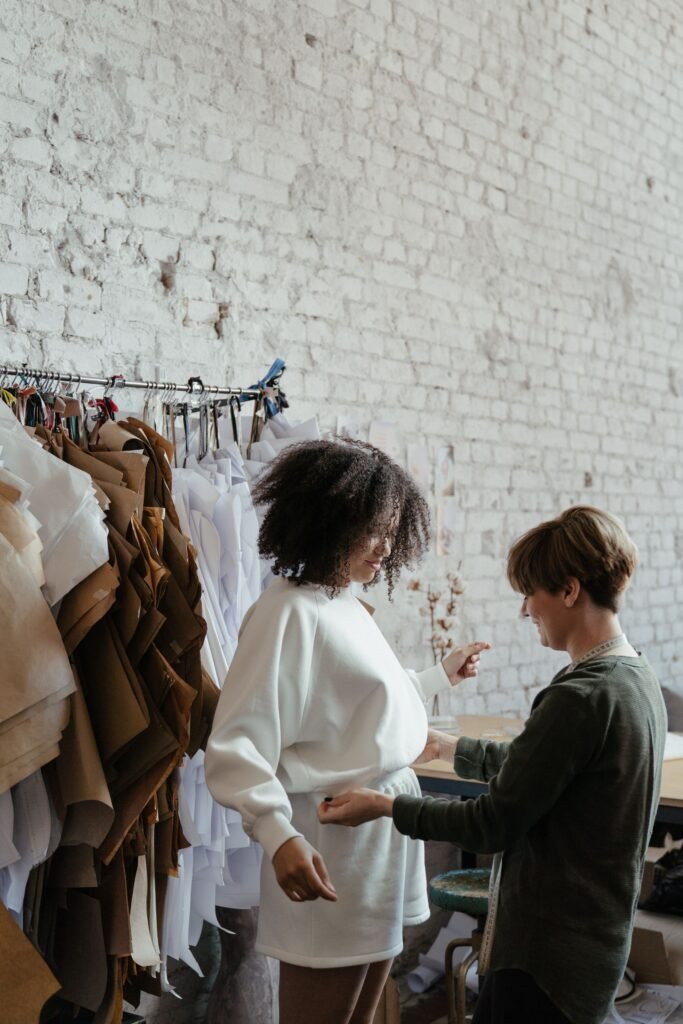
Before anyone touches a garment, we build a mood board. Pictures, colours, textures, places, old film stills, even words.
A good mood board is not a collection of pretty images. It’s a story told without words. If you show it to someone and they can tell you what the shoot is about, it’s working. If they just say “nice,” it’s not.
Every detail is a sentence
In styling, small things carry a lot of weight.
- A creased collar can mean someone is tired, or doesn’t care what others think.
- A borrowed jacket, too big at the shoulders, can say a lot about a relationship.
- Bare feet on a stone floor tell you this person is at home, or wants to feel like they are.
- One piece of old silver jewellery against a plain outfit can point to roots, memory and belonging.
None of these need a caption. People read them without even knowing they’re reading.
Place and light are part of the outfit
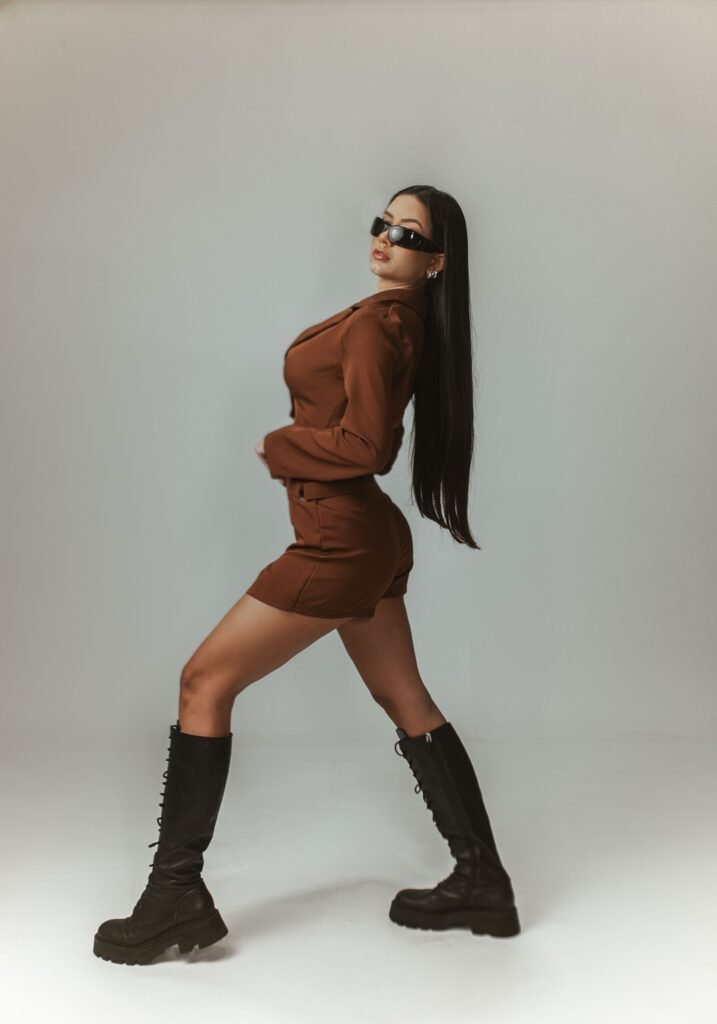
Students often forget this. The same outfit in a studio, on a tea garden road, or in a busy market will read completely differently.
Light does the same. Soft morning light feels gentle and quiet. Hard noon sun feels raw and bold. Evening light feels like a memory.
So when we plan a shoot, the place and the time of day are styling decisions too, not just practical ones.
Styling from the Northeast is a story in itself
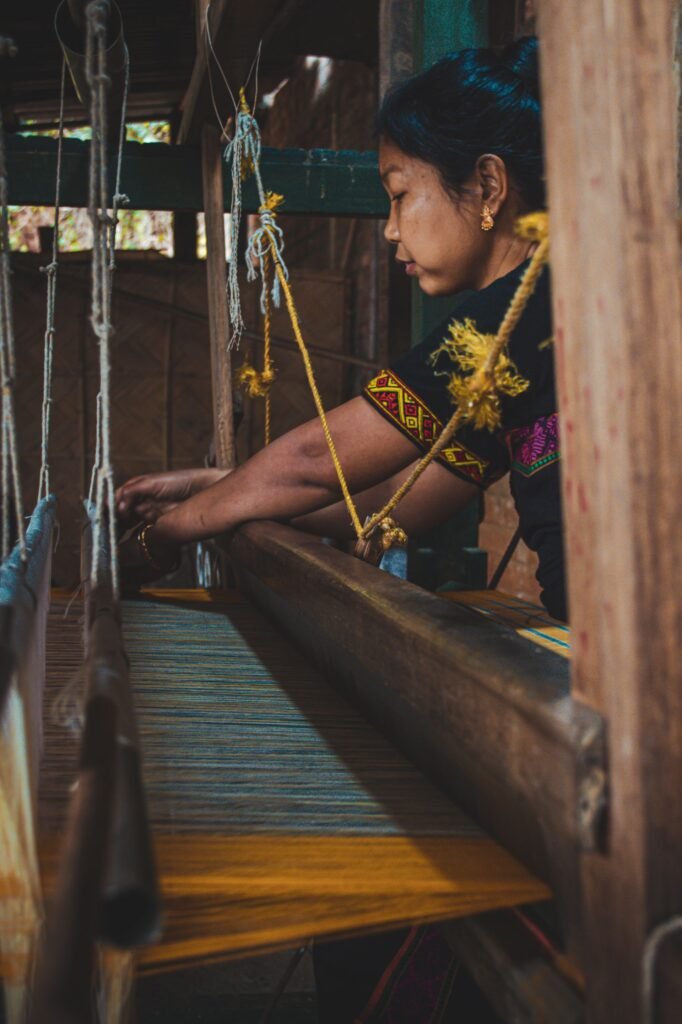
Living and teaching in Assam, I keep coming back to this. We have so much here that the fashion world hasn’t really looked at properly. Handloom, bamboo, cane, the colours of the hills, the way people wear a gamosa or a mekhela chador in everyday life.
When students bring these into their styling, not as “ethnic props” but as part of who the character is, the pictures change. They feel rooted. They feel honest. That’s the kind of styling I want to see more of.
Dressing up vs telling a story
Here’s the simplest way I can put the difference.
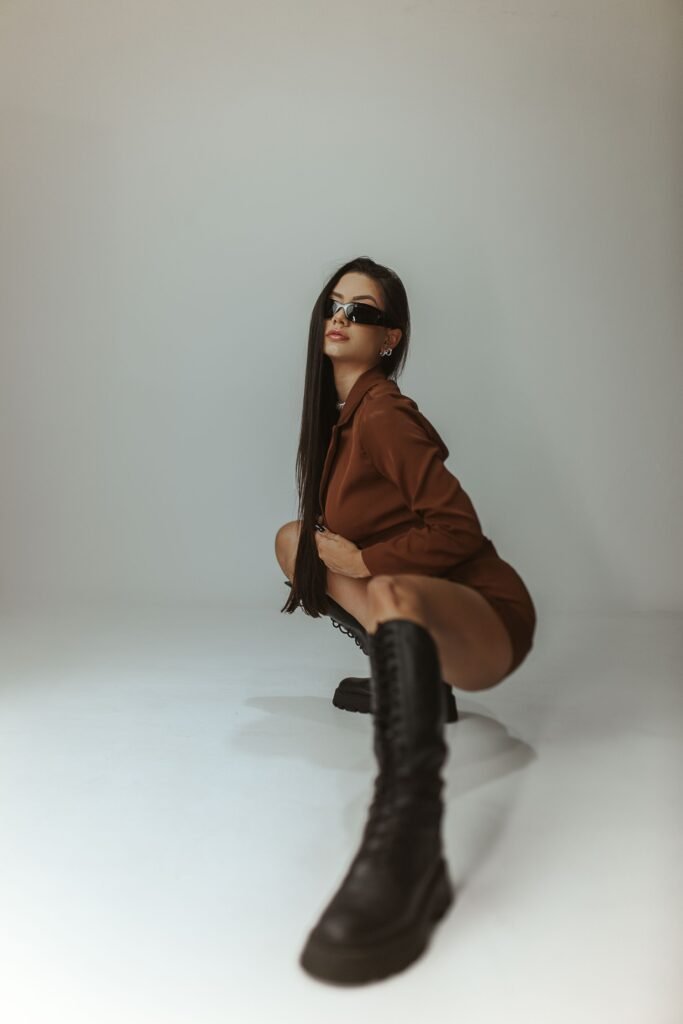
Dressing up asks: does this look nice?
Styling asks: what is this saying?
Dressing up is about the clothes. Styling is about the person inside them, and the moment they’re in.
Both have their place. But if you want a picture that people stop and look at, and remember later, you need a story.
A small exercise you can try
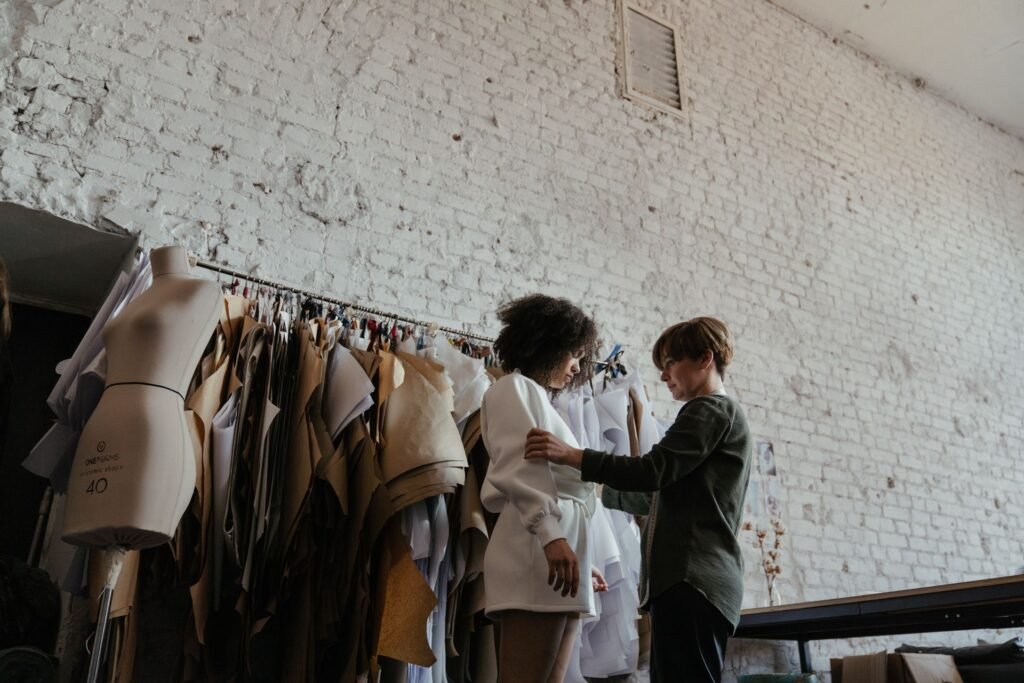
Pick one piece from your own wardrobe. A plain kurta, a T-shirt, a saree, anything.
Now style it three times, for three different people:
- Someone on their first day at a new job
- Someone going home to their village after many years
- Someone who has just quit something important
Take a photo of each and look at them side by side. The garment didn’t change. The story did.
Where I stand
Fashion styling is not decoration. It’s not about making things look expensive or trendy. It’s about using clothes, place, light and the body to tell a small story in one frame.
The best compliment a styled photo can get is not “beautiful.” It’s “I wonder who she is.”
What’s the one outfit you own that tells your story? Tell me in the comments.